








You can get these from B2B data suppliers who focus on construction and trades. Lists are often split by state, metro area, or roofing type—like shingle, tile, metal, or flat roof specialists.
Trusted vendors validate business licenses, phone numbers, and emails regularly. They also remove closed companies or bad records. That way, you’re talking to real roofers—still in business, still taking jobs.
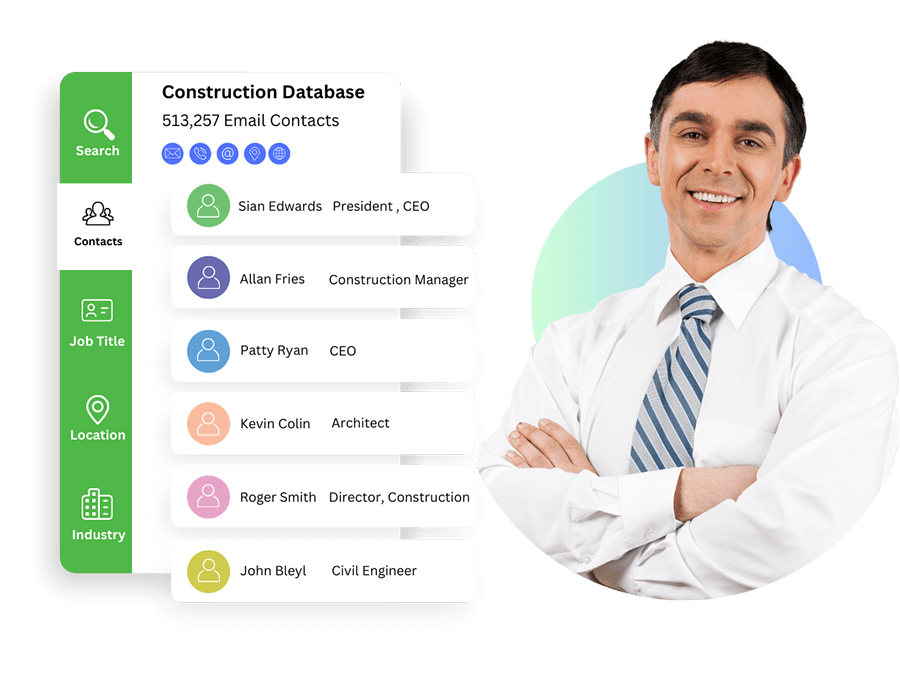
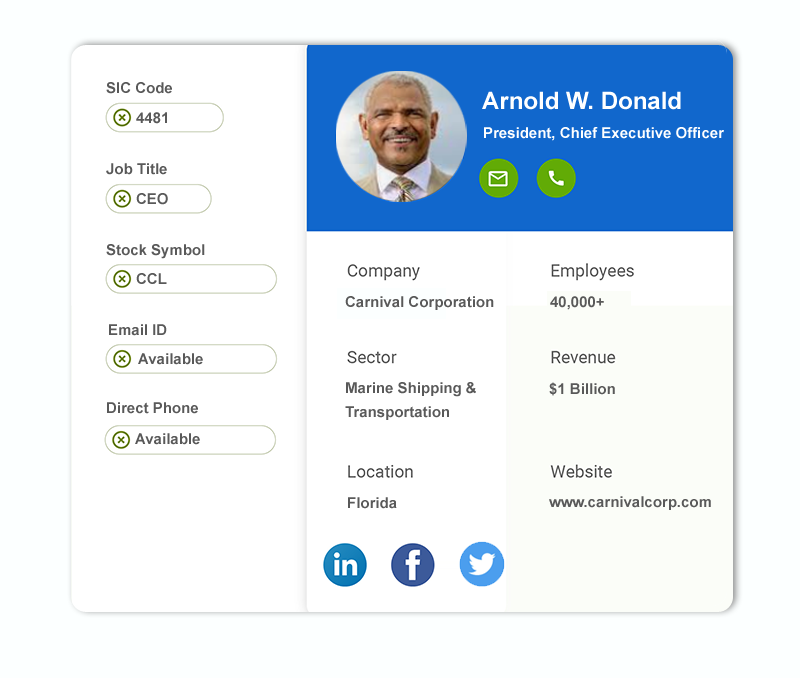
You usually get names, company names, emails, phone numbers, job roles, service area, and specialization. Some lists also include license or certification info. It’s enough to personalize and launch a full campaign.
Yes. Many databases include only verified, licensed contractors. Some also flag insured businesses. This helps you avoid outreach to unqualified or inactive contractors—and boosts trust if you're selling safety or compliance-related services.
Yes—as long as it’s from a compliant source. The list must respect privacy laws like GDPR and CAN-SPAM. Be upfront about who you are, offer an opt-out, and don’t spam. That’s good practice and good manners.
It depends on how broad or targeted your campaign is. A statewide list is cheaper than a national one. Highly filtered or niche lists (like only green roof installers) may cost more due to smaller volume but better precision.
Usually, yes. You can request lists with only residential crews, commercial contractors, or large-scale industrial firms. Or mix them all. It depends on your service—and who benefits most from it.
Yes, and it’s highly recommended. You can sort by city, service type (like repairs, new builds, or storm restoration), or employee count. The sharper your targeting, the better your response.
They use them to sell tools, shingles, coatings, software, or training services directly to the contractors that use them.
Yes. Lists can include U.S., Canada, Europe, and beyond—filtered by service areas or licensing regions.
Every 30 to 45 days. Frequent updates help reduce bounce rates and improve targeting accuracy.