

Precise Audience Targeting
Pinpoint decision-makers for tailored engagement.
We help you find the right companies, the right people and the right data — so your sales team can focus on what they do best: build relationships and close deals.
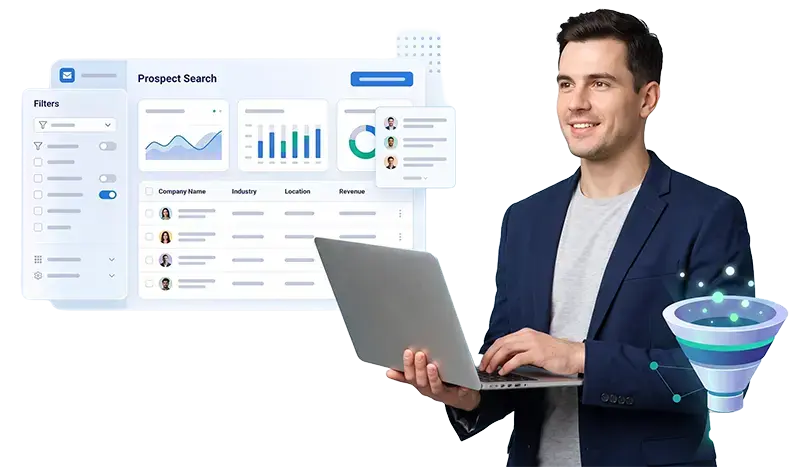
We learn about your ideal customer profile, industry, location, company size and sales objectives.
We create a highly targeted B2B prospect list using advanced data research and verification process.
We design and execute personalized email campaigns to get your message in front of the right people.
We provide real-time insights and detailed reports so you can see what's working and optimize for better results.
We help you turn interested prospects into qualified leads and sales opportunities.

Company Size

Job Titles/Functions

SIC & NAICS Codes

Area of Specialization

Revenue

Physical Location
Our B2B Lead Generation Services are meticulously designed to propel your business forward. We employ a multifaceted approach that combines data-driven insights, targeted outreach, and compelling content to identify and engage with decision-makers who are genuinely interested in your products or services.
Our expert team crafts personalized strategies that resonate with your unique value proposition and target audience. From implementing effective email campaigns and optimizing landing pages to harnessing the power of social media and content marketing, we ensure a steady flow of potential clients. With our B2B Lead Generation Solutions, you'll witness a measurable increase in lead quality, conversion rates, and ultimately, revenue. Elevate your B2B endeavors today with our proven lead generation expertise.
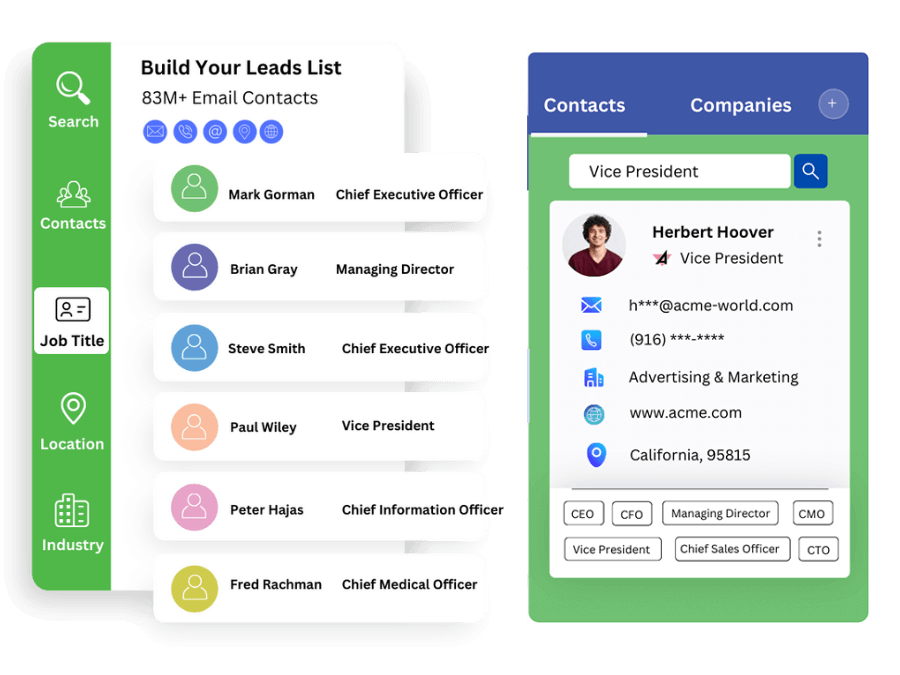
| List By Industry | Total Records |
|---|---|
| Construction Industry Mailing List | 513,257 |
| Real Estate Email List | 179,550 |
| Healthcare Email Lists | 2.6M |
| Banking and Finance Mailing List | 652,169 |
| Oil and Gas Industry Email List | 134,293 |
| Food and Beverage Industry Email Lists | 79,615 |
| Education Industry Mailing List | 662,843 |
| Manufacturing Industry Email Lists | 1M+ |
| Mining Industry Database | 79,615 |
| Transportation Industry Mailing List | 321,638 |
| Automotive Industry Email Lists | 336,952 |
| List By Job Title | Total Records |
|---|---|
| Chief Executive Officer Email List | 1.5M+ |
| Small Business Owners List | 1.3M+ |
| Real Estate Agent Email List | 174,319 |
| Physicians Email List | 1.2M |
| Nurses Email List | 300K+ |
| Dentist Email List | 54,260 |
| Pharmacist Email List | 43,172 |
| Human Resources Email List | 251,247 |
| Accountants Email List | 285,347 |
| Attorney Email List | 71,874 |
| Chief Financial Officer Email List | 41,732 |
Our B2B Lead Generation Services offer precise audience targeting, data-driven insights, personalized outreach, multi-channel strategies, compelling content creation, continuous monitoring, qualified lead delivery, and transparent ROI measurement. Elevate your business growth with these essential features for effective lead generation.
Pinpoint decision-makers for tailored engagement.

Strategy refinement using market analytics.

Custom messages for genuine connections.

Maximize reach through diverse platforms.

Informative content that resonates.

Real-time tracking and iterative improvement.

High-quality leads for increased conversion.

Transparent insights into campaign effectiveness.

Explore practical ways to find potential customers, attract relevant business prospects, and improve lead generation through targeted sales and marketing activities.
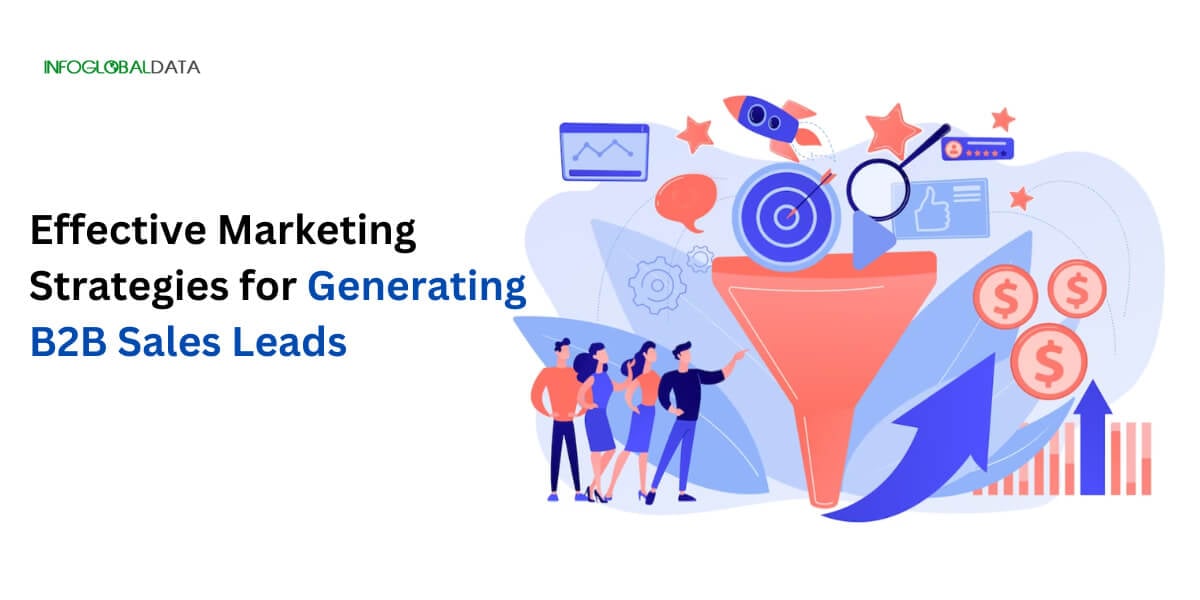
Understand how sales leads are identified and qualified, what makes a prospect relevant, and how businesses can focus their sales efforts on potential customers.

Learn how to build a relevant email list, identify the right business contacts, and organize prospect information for targeted B2B email marketing campaigns.
Buy CASS-certified and highly responsive business email marketing list at an affordable price. Try our free business email database sample list now!
B2B lead generation involves finding businesses that may need your products or services and identifying the people responsible for purchasing decisions. This process can include researching companies, finding relevant contacts, and collecting business details for sales and marketing.
Companies use methods such as email marketing, business directories, industry research, and direct prospecting to find potential customers and develop new sales opportunities.
A B2B email list gives sales teams contact details for businesses and professionals who fit their target market. Teams can narrow their search by industry, location, company size, or job title instead of contacting businesses that have little relevance to their offer.
These lists can support prospecting, product announcements, sales introductions, and email campaigns aimed at specific business audiences.
Begin with the types of companies most likely to need your product or service. Consider their industry, location, employee count, and business activities. Then identify the people involved in evaluating or purchasing solutions, such as company owners, department managers, procurement teams, or senior executives.
Job titles, SIC and NAICS codes, and company size filters can help narrow the search further. The more closely your criteria match your actual customers, the easier it is to focus sales efforts on relevant prospects.
A B2B lead database may contain company names, business email addresses, contact names, job titles, telephone numbers, website URLs, industry types, and business addresses. Some records also include employee counts, revenue ranges, and other company details.
Sales teams use this information to research accounts, identify relevant contacts, organize prospects, and decide which businesses to approach first. Available fields vary by database and selected audience.
Yes. You can specify the types of companies and professionals you want to reach. Depending on the data available, a customized list can be filtered by:
For example, a software provider targeting manufacturing companies can narrow its list by industry, location, company size, and the job roles most likely to evaluate its product.
Incorrect email addresses, outdated job titles, and duplicate records make it harder for sales teams to reach the right people. They can also lead to wasted campaign spending, failed deliveries, and unnecessary follow-up work.
Checking email addresses, reviewing company details, removing duplicate records, and updating contact information can improve database quality. Businesses should review their lists regularly because employees change jobs and company information changes over time.
Yes. B2B contact lists supplied in CSV or Excel format can generally be imported into CRM platforms that support these file types. Before importing, check that the contact fields match the fields used in your system.
Mapping names, email addresses, company details, job titles, and phone numbers to the correct fields makes records easier to search and manage. Reviewing existing contacts before the import also helps prevent duplicate entries.
Businesses must follow the email marketing and data protection laws that apply to their recipients and activities. In the United States, commercial emails are subject to CAN-SPAM requirements. In the European Union, GDPR and applicable electronic communications laws may affect how business contact information is collected and used.
Companies should check whether they have a lawful basis to use the data, provide required sender information, include appropriate unsubscribe options, and honor opt-out requests. Purchasing a contact list does not automatically make every subsequent email campaign compliant.