
Email List Segmentation
Target the Right Audience with Precision Email List Segmentation
We provide B2B email data segmented by verticals, roles, and company demographics, enabling you to send personalized content that resonates, drives engagement, and maximizes ROI on your campaigns.
- Over 571K+ verified professional services contacts including consultants, lawyers, and accountants.
- GDPR-compliant, permission-based data ensuring privacy and high deliverability for marketing campaigns.
- Segmented by industry, job title, and company size for precise targeting and better engagement.
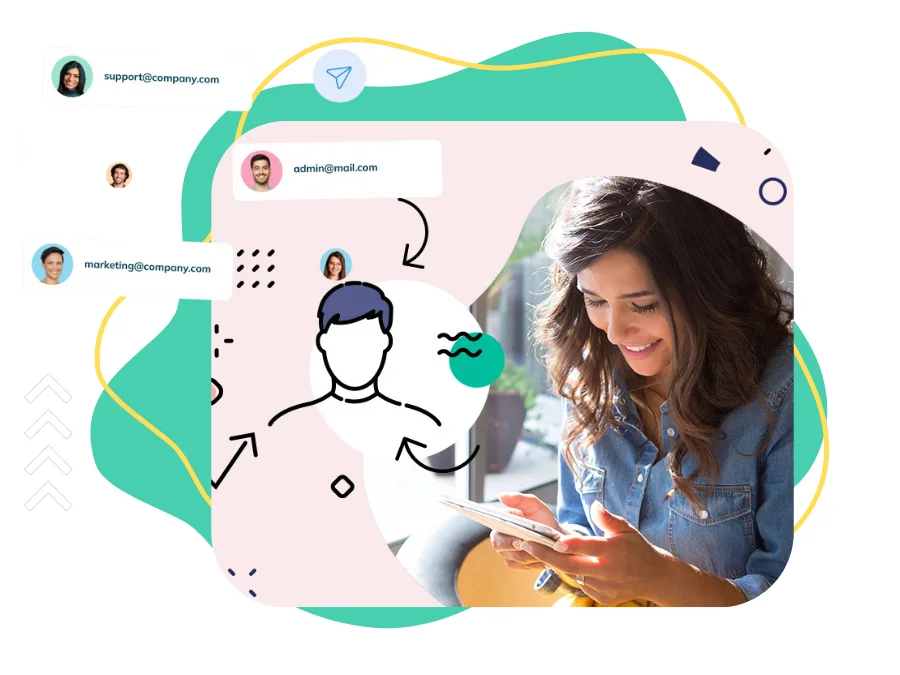
B2B Email List Segmentation: Your Most Underrated Marketing Move
Let’s not sugarcoat it. Your email list? It’s probably bloated. Big, unfiltered, and sending the same message to people who barely have anything in common.
A student. A CEO. Someone who bought last week. Someone who ghosted you two months ago. All receiving the same email. The same subject line. The same CTA.
Kinda lazy. But hey—chat we’ve all done it.
Now imagine this instead:
You’re talking to Sarah. She downloaded your pricing guide last week. You’re also talking to David. He’s opened your last four newsletters but never clicked a thing. And to Lana. She hasn’t touched an email from you since… 2022.
You wouldn’t send all three the same email, right?
Exactly.
That’s where Email List Segmentation comes in.
What’s Email List Segmentation Anyway?
It’s the art (and science) of slicing your email list into smaller, focused groups.
You segment by behavior, interests, demographics, location, engagement history—whatever helps you send more relevant content.
No more “blast everyone and pray.”
Now, it’s “talk to the right people about the right thing at the right time.”
Boom. Better emails. Better engagement. Better conversions.
100% Verified B2B Email Database By Industry And Job Title
| B2B Email List By Industry | Total Records |
|---|---|
| Construction Industry Mailing List | 513,257 |
| Real Estate Email List | 179,550 |
| Healthcare Email Lists | 2.6M |
| Banking and Finance Mailing List | 652,169 |
| Oil and Gas Industry Email List | 134,293 |
| Food and Beverage Industry Email Lists | 79,615 |
| Education Industry Mailing List | 662,843 |
| Manufacturing Industry Email Lists | 1M+ |
| Mining Industry Database | 79,615 |
| Transportation Industry Mailing List | 321,638 |
| Automotive Industry Email Lists | 336,952 |
| Business List By Job Title | Total Records |
|---|---|
| Chief Executive Officer Email List | 1.5M+ |
| Small Business Owners List | 1.3M+ |
| Real Estate Agent Email List | 174,319 |
| Physicians Email List | 1.2M |
| Nurses Email List | 300K+ |
| Dentist Email List | 54,260 |
| Pharmacist Email List | 43,172 |
| Human Resources Email List | 251,247 |
| Accountants Email List | 285,347 |
| Attorney Email List | 71,874 |
| Chief Financial Officer Email List | 41,732 |
What’s Email List Segmentation Anyway?
Picture this: You're standing in a crowded room, trying to get everyone’s attention with one generic speech. Most folks tune out. Some check their phones. One guy’s looking for snacks.
Now imagine walking up to someone, making eye contact, and saying something just for them.
That second moment? That’s segmentation in action.
When you segment:
- Your open rates climb
- Clicks increase
- Fewer unsubscribes
- More people buy, sign up, or take action
Relevance is currency.
And segmentation makes your emails rich.
How To Segment Like A Pro
Let’s dive into the how.
This isn’t about over-complicating things. You don’t need a CRM that costs more than your rent. Just smart, simple segmentation based on what you know about your list.
Here’s how to start:
1. Demographics
Oldest trick in the book. Still solid.
Segment by:
- Age
- Gender
- Education level
- Income bracket
- Job title or profession
Example:
A 25-year-old freelancer might respond to “Start your side hustle today.”
A 50-year-old executive? More likely to click “Scale your strategy for 7-figure growth.”
Different vibes. Different lives.
2. Location, Location, Location
Where your audience lives matters. A lot.
- Weather-based promos
- Local events
- Country-specific regulations
- Time zones (for sending at the right hour)
Don’t email someone at 3 a.m. unless they’re nocturnal or you’re cool with being ignored.
Also:
If you’re hosting a workshop in London, don’t send invites to people in LA. Obvious? You’d be surprised how many marketers still do it.
3. Behavior (a.k.a. Digital Body Language)
What people do (or don’t do) tells you everything.
Segment based on:
- Open rates
- Clicks
- Time spent on your site
- Cart abandonment
- Past downloads or content views
Example:
Someone who clicked your “pricing” page twice in one week? They’re warm. Very warm. Send them a nudge.
Someone who opened nothing in 90 days? Time for a re-engagement sequence or a breakup email. It’s not you—it’s them.
4. Purchase History
They’ve bought before? Great.
Segment by:
- Last purchase
- Frequency of purchases
- Product categories
Then send:
- Replenishment reminders
- Cross-sell ideas
- Loyalty perks
- Personalized recommendations
Like this:
“Hey Jamie, since you grabbed the black yoga mat, we thought you’d love our new eco straps.”
See? That’s segmentation with context. It’s like mind-reading. But legal.
5. Interests & Preferences
Give your subscribers the power to choose.
When they sign up, ask:
- “What do you want to hear about?”
- “How often should we email you?”
- “What topics are your thing?”
Then tag them accordingly.
Someone who only wants product updates? Don’t bug them with blog recaps.
Someone interested in wellness tips? Don’t flood them with tech jargon.
Easy. Respectful. Effective.
6. Funnel Stage (aka Where They’re At Mentally)
Not all subscribers are in the same place.
Some just found you.
Some are mid-decision.
Some are loyal fans.
Some forgot you exist.
Segment by:
- New leads
- Nurturing stage
- Ready to buy
- Post-purchase
- Long-time customers
Tailor your tone and offer.
Don’t send “Let us introduce ourselves” to someone who bought from you last week. That’s weird.
Tools That Make This Easier
Here’s the cool part: You don’t need to do this with sticky notes and spreadsheets.
Most modern email platforms have built-in segmentation tools. Like:
- Mailchimp (basic but solid)
- ActiveCampaign (automation-friendly)
- Klaviyo (great for ecommerce)
- ConvertKit (awesome for creators)
- HubSpot (robust but expensive)
Use their tagging, filtering, and automation tools. Let the platform do the heavy lifting.
You focus on crafting the message. The tech handles who gets it.
Keep It Fresh
Segmentation isn’t a set-it-and-forget-it game.
People change. Interests shift. Engagement drops.
So check in with your segments:
- Are people still clicking?
- Still buying?
- Still interested in what you’re offering?
If not, tweak your tags. Move people around. Clean up your list quarterly.
A bloated, stale list helps no one. Not even your ego.
Segmentation In Action (Quick Examples)
Let’s look at a few quick wins:
Product Launch
Split your list into:
- Past customers
- Freebie downloaders
- New subscribers
Then send slightly different versions of your launch email to each.
Result? Higher conversions. Lower unsubscribes.
Free Webinar
Segment by:
- Topic interest (tagged from previous downloads)
- Industry or job title
- Past event attendance
More relevant invites = higher attendance.
List Cleanup
Find:
- People who haven’t opened in 60+ days
Send them a fun re-engagement email. Something cheeky:
“Still there? We miss you. Click here to stay on the list.”
Anyone who doesn’t respond? Remove them.
It’s better to have 500 engaged contacts than 5,000 dead ones.
The Big Mistakes To Avoid
Over-segmentation
You don’t need a segment for people who clicked on your email at 10:03 a.m. from a Samsung Galaxy in Ohio while drinking coffee. Seriously. Creating 19 hyper-specific micro-lists only leads to confusion, duplicate work, and burnout. Keep it simple. Focus on meaningful differences—like buying behavior, engagement level, or product interest. Aim for clarity, not chaos. Start with 3–5 well-defined groups and grow smarter from there.
Segmenting With No Strategy
Just because you can segment doesn’t mean you should. If there’s no goal behind the segmentation—like nurturing leads, upselling, or re-engaging lapsed users—then it’s just busywork. Each segment should serve a purpose in your email strategy. Why are you splitting this group? What will you send them? What’s the desired outcome? If you can’t answer that, don’t do it. Segment with intention, not impulse.
Ignoring Engagement Signals
Your email list isn’t static. People change. They disengage, lose interest, or change jobs. And if someone hasn’t opened or clicked in months, you’ve got to adjust. Stop treating them like they’re active subscribers. Shift them to a re-engagement segment or consider letting them go. Clinging to inactive contacts can hurt your deliverability and distort your performance metrics. Engagement tells a story—don’t ignore it.
Final Word: Segment Like You Mean It
Look. People’s inboxes are crowded.
They’re dodging spam, deleting promos, and hunting for that one confirmation email they actually care about.
If you want to stand out? You have to stop shouting to the crowd. Start speaking directly to people. Groups of people. Segments. That’s how you win with email in 2025. That’s how you stop sending noise and start sending value.
No tricks. Just segmentation.
B2B Email Database - 100% Privacy Compliant
Buy our CASS-certified and highly responsive B2B Email Database at an affordable price. Try our free email database sample list now!